Exploring Gourmet Nutritional Science
Understanding the biological principles of body weight stability through high-quality ingredients and refined taste
Discover Our Research Areas
Science of Body Weight Homeostasis
Understanding the physiological mechanisms that regulate energy balance
Energy Stability Mechanisms
Body weight homeostasis represents a complex biological system maintained through interconnected physiological mechanisms. The human body continuously adjusts energy intake and expenditure through sophisticated feedback systems involving the nervous system, hormones, and metabolic processes.
Leptin, insulin, ghrelin, and peptide YY form an intricate communication network that signals satiety, energy availability, and metabolic state. These mechanisms evolved over millions of years to maintain stable energy reserves while allowing flexibility in response to environmental conditions.
The hypothalamus acts as the central regulator, integrating signals from these hormones along with temperature, stress levels, and physical activity to maintain equilibrium. This system demonstrates remarkable precision, maintaining body weight within relatively narrow margins despite daily variations in food intake and energy expenditure.
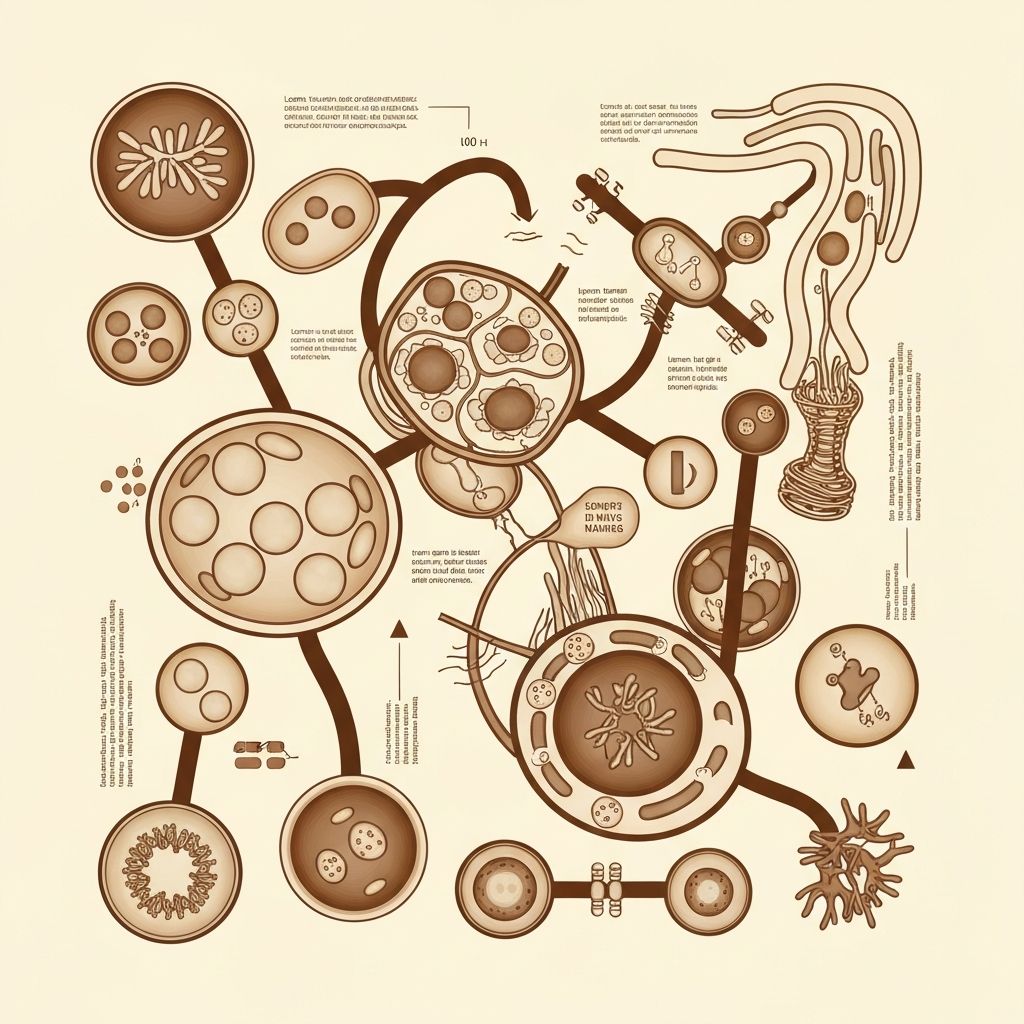
Gourmet Ingredients and Metabolic Roles
High-quality ingredients and their physiological significance

Quality and Nutritional Density
Gourmet ingredients, cultivated and prepared with precision, offer distinctive nutritional profiles and sensory experiences. Truffles, for instance, contain unique polysaccharides and aromatic compounds recognized by research for their potential bioactive properties.
Artisanal cheeses develop complex flavor compounds through careful fermentation, providing bioavailable proteins, fats, and micronutrients. The diversity of tasting profiles—from umami-rich aged cheeses to delicate fresh varieties—engages sophisticated sensory mechanisms in the brain.
Sensory Engagement and Metabolic Response
High-quality ingredients stimulate robust taste and smell perceptions, activating additional neural pathways related to satisfaction and satiation. The complexity of flavors in refined cuisine creates more pronounced sensory-specific satiety—a phenomenon where the brain reduces appetite after exposure to particular flavors.
Research indicates that sensory-rich eating experiences may support more conscious consumption patterns and potentially contribute to better alignment with internal hunger and fullness signals. The act of savoring refined ingredients engages mindfulness mechanisms that can influence eating behavior.

French Gastronomy in Nutritional Context
Traditional culinary approaches viewed through nutritional science
Historical Development and Scientific Understanding
French gastronomy emerged from centuries of refinement, creating culinary traditions that align surprisingly well with contemporary nutritional science. The emphasis on ingredient quality, portion awareness, and flavor complexity represents practical approaches to eating that engage sophisticated physiological mechanisms.
Traditional French meals emphasize slower eating paces, multiple courses with smaller portions, and extensive social engagement during meals. These practices correspond with research on eating rate, satiation signaling, and the role of social factors in food consumption patterns.
The French culinary principle of "terroir"—honoring regional ingredients and seasonal availability—naturally encourages dietary diversity and alignment with circadian metabolic patterns. This approach predates modern nutritional science yet reflects principles supported by contemporary research.

Frequently Asked Questions
Common inquiries about gourmet nutrition and body weight science
What is energy homeostasis?
Energy homeostasis is the biological process by which the body maintains stable energy reserves over time. It involves the balance between energy intake (food consumption), energy expenditure (metabolic processes and physical activity), and energy storage. The body employs multiple feedback systems to regulate these components.
How do taste and satiety relate?
Taste experiences engage complex neural pathways that influence satiety signals. When exposed to diverse, high-quality flavors, the brain may generate stronger satiation responses. Sensory-specific satiety describes the phenomenon where satisfaction decreases as flavor experiences become more repetitive.
Are gourmet ingredients nutritionally superior?
Gourmet ingredients often undergo careful cultivation and preparation that can enhance their nutritional density and bioavailability. However, nutritional value depends on specific ingredients and preparation methods rather than gourmet status alone. The primary distinction is often in sensory complexity and flavor richness.
What is the French approach to eating?
French culinary traditions emphasize ingredient quality, moderate portion sizes, slow eating, seasonal and regional foods, and social engagement during meals. These practices align with research on mindful eating, satiation signaling, and the social contexts of food consumption.
Can flavor complexity influence eating behavior?
Yes. Research suggests that complex flavor profiles can enhance sensory engagement and may support more conscious eating patterns. The variety and intensity of taste experiences engage brain regions related to reward and satisfaction, potentially influencing how individuals relate to food.
Is this content medical advice?
No. This resource provides educational information about nutritional science and metabolic processes. It does not constitute medical advice, diagnosis, or treatment recommendations. Individual responses to nutrition vary significantly, and personal decisions regarding diet should involve qualified healthcare professionals.
Sensory Aspects of Satiety
How taste, smell, and sensory complexity influence fullness signals

The Science of Taste and Fullness
Sensory perception profoundly influences satiation—the brain's recognition of fullness. The olfactory system (smell) and gustatory system (taste) activate neural centers that integrate with hormonal signals to regulate appetite. Complex flavor experiences can enhance this integration.
When individuals consume foods with diverse, well-developed flavor profiles, they may experience more pronounced sensory engagement. This heightened perception can trigger stronger satiation responses, potentially supporting more aligned eating behaviors. The brain's pleasure centers and satiety centers work in concert to influence consumption.
Aromas from refined cuisine—such as aged wines, fermented cheeses, or truffle-infused oils—stimulate extensive olfactory pathways. Research indicates these multisensory experiences engage more comprehensive neural networks involved in food satisfaction and appetite regulation.
Myths in High-Quality Nutrition
Clarifying misconceptions about gourmet eating and body weight
Common Misunderstandings
Myth 1: "Gourmet foods automatically support weight stability." Reality: Quality ingredients support better nutrient density and sensory engagement, but energy balance remains determined by overall intake and expenditure.
Myth 2: "French cuisine guarantees a particular body weight." Reality: Body weight results from complex interactions of genetics, activity levels, total energy balance, and numerous lifestyle factors. Culinary tradition influences these factors but doesn't determine outcomes.
Myth 3: "Expensive ingredients have superior metabolic effects." Reality: While quality ingredients often have better nutritional profiles, the relationship between cost and nutritional benefit is not absolute. Many affordable whole foods provide excellent nutrition.
Myth 4: "This information provides personalized nutrition advice." Reality: This educational resource explains general scientific principles. Individual nutritional needs vary significantly and require professional assessment.

Deepen Your Understanding
Explore detailed scientific perspectives on nutrition, metabolism, and gourmet culinary traditions through our research articles.
Discover Our ArticlesEducational Content Disclaimer: This website provides educational information only. No medical services are offered. No promises of specific outcomes are made. Individual responses to nutrition vary significantly based on genetics, activity levels, health status, and numerous other factors. This information does not constitute medical advice and should not replace consultation with qualified healthcare professionals.